
New India’s Heat: From the Ozone Shield to ‘Cooling the Sky’
Subtitle: Would we want to leave behind such an environment and weather as a legacy for future generations?
By Amita Sharma
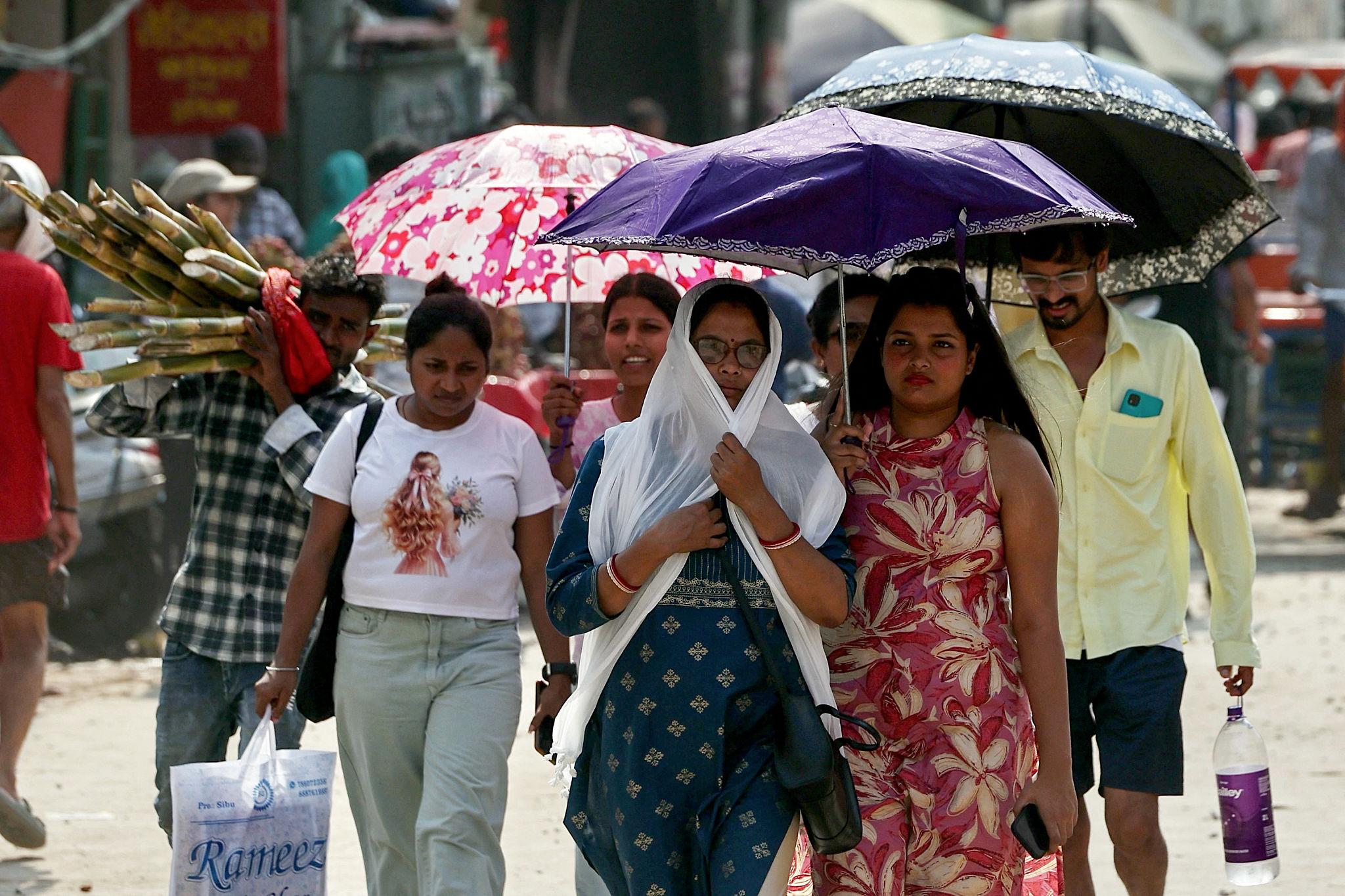
There was a time when summer was limited to only a few months of the year. However, it now feels as though summer stays in India year-round, with the weather becoming somewhat normal for only a few months. This shift isn’t just about the weather; extreme heat has become a problem that clearly impacts our daily lives. Rising temperatures have a direct effect on health—heatstroke, exhaustion, dehydration, and various illnesses are becoming common. Furthermore, as temperatures rise, the need for cooling increases, causing electricity demand to soar. Consequently, the government and administration must make extra arrangements to manage the energy system, which puts pressure on the entire economy.
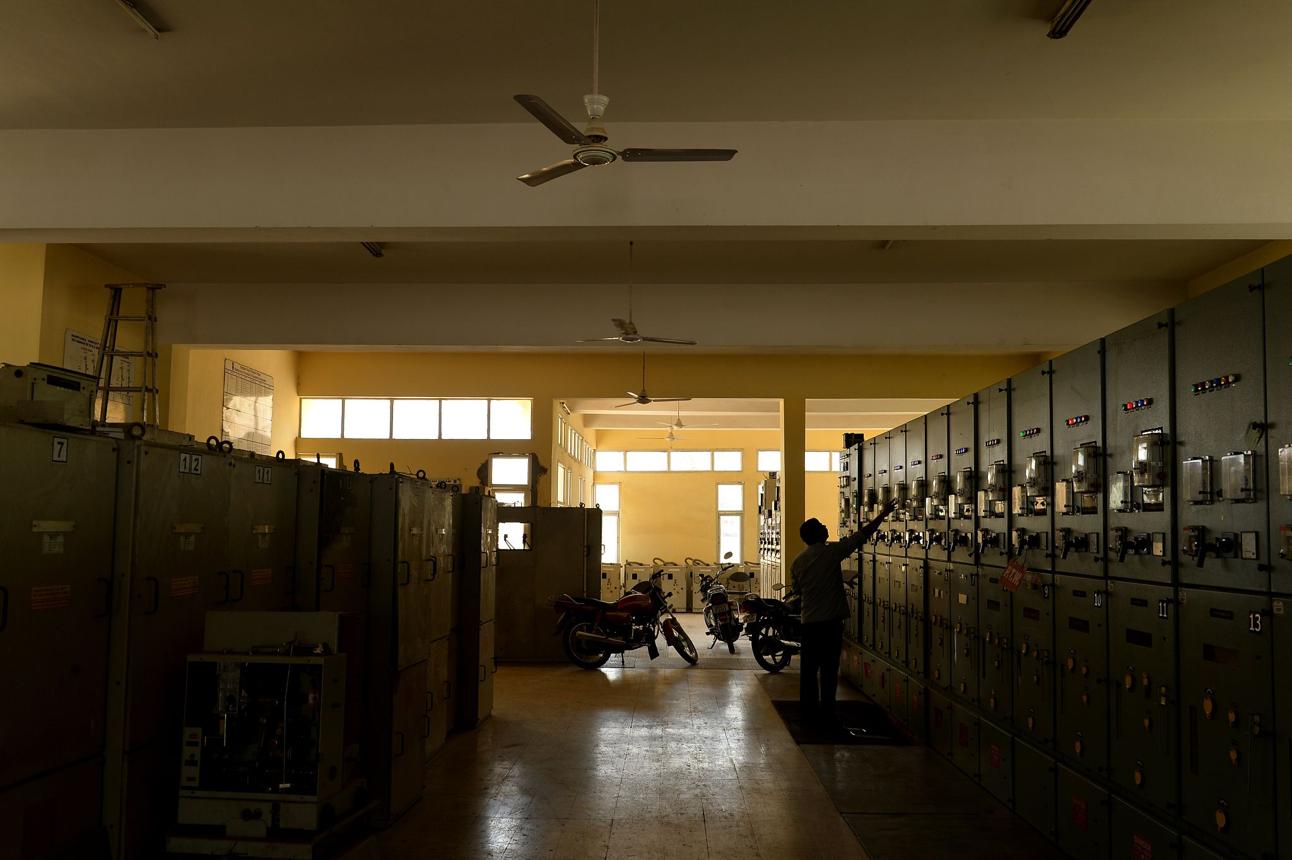
Last year, a joint survey by the Yale Program on Climate Change Communication and CVoter was released regarding people’s experiences and concerns about climate change in India. Its findings are startling: most respondents stated they personally experienced at least one extreme weather event or its impact in the last twelve months. According to the survey, a large number of Indians experienced:
- Severe Heatwaves: 71%
- Agricultural Pests and Diseases: 60%
- Power Outages: 59%
- Water Pollution: 53%
- Drought and Water Scarcity: 52%
- Severe Air Pollution: 52%
Most Indians believe that global warming is increasing extreme weather and its related impacts in the country. Additionally, 43% of respondents say that global warming significantly affects the problem of power outages. The world’s average temperature has risen by about 1.1 degree Celsius. In India, this increase is estimated to be around 0.9 degree Celsius since 1901. This warming has intensified since the 1990s, alongside an increase in heatwave events.
The Ozone Layer: Earth's 'Natural Sunscreen’
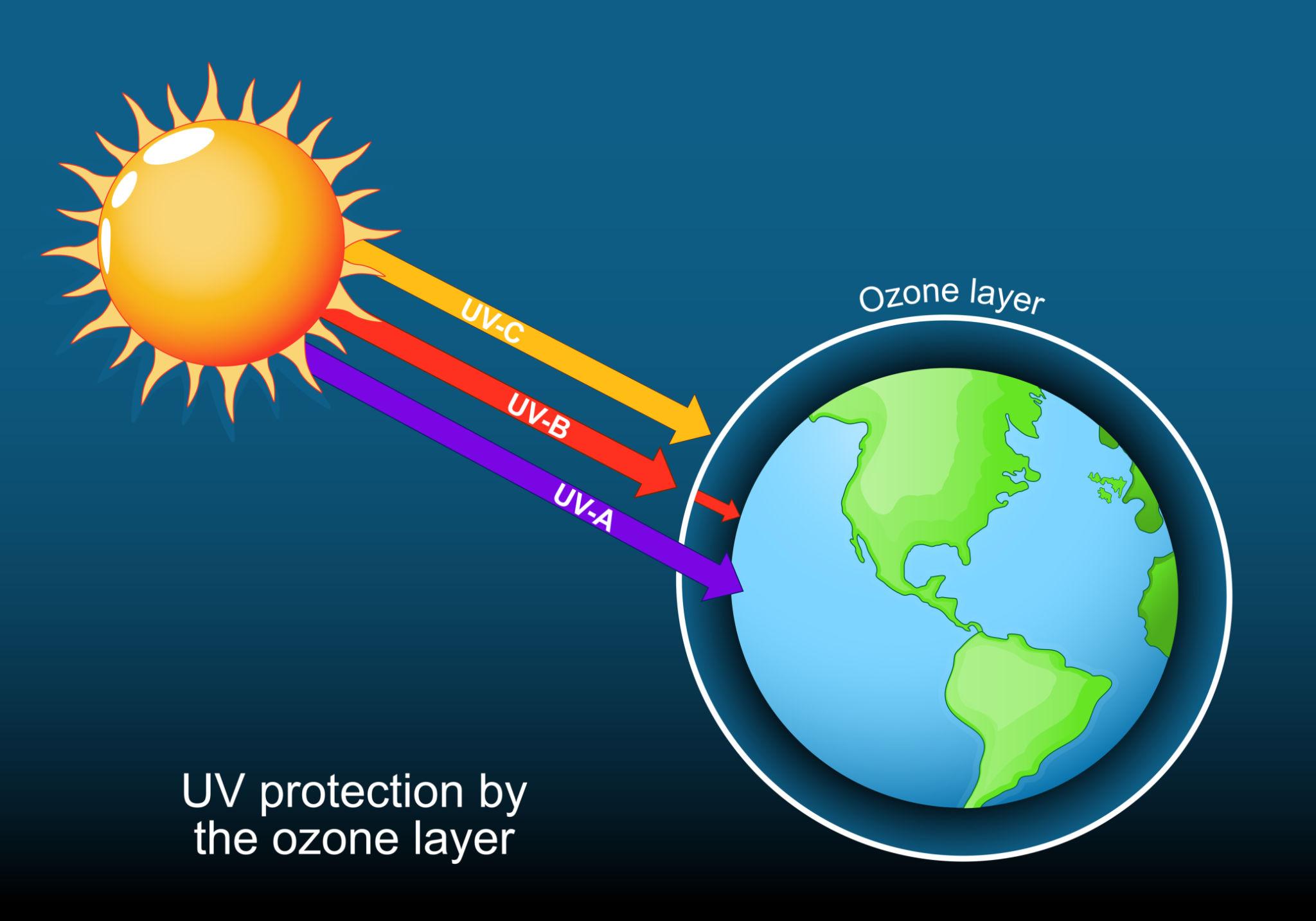
The Earth’s most effective natural defense system is the ozone layer, often called the planet’s “natural sunscreen”. This layer blocks harmful ultraviolet (UV) rays from the sun, absorbing them significantly before they reach the Earth’s surface. It is composed of special oxygen molecules called O₃ (Ozone). When UV radiation hits an ozone molecule, the molecule breaks apart, but this process absorbs the energy of the UV rays. Later, the broken parts recombine to form ozone again. In this way, the ozone layer functions as a natural cycle, stopping harmful radiation high above.
The highest concentration of ozone is found in the stratosphere, generally located between 15 to 35 kilometers in altitude. This can vary slightly based on latitude and season. At this height, the air is relatively thin, allowing ozone molecules to absorb UV rays before they reach the surface.
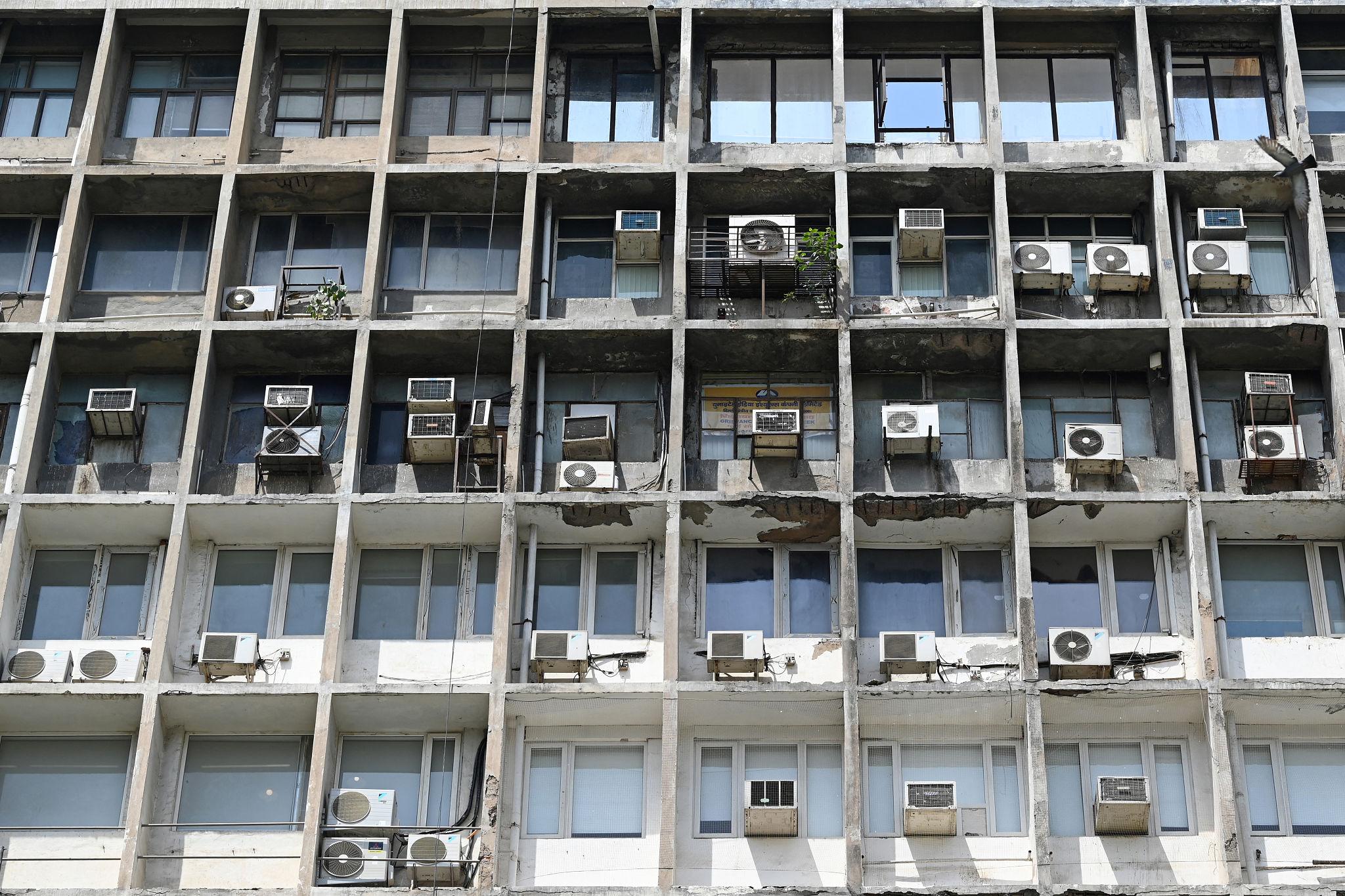
While the ozone layer remains a strong protective shield, its protection is primarily limited to UV radiation. On the other hand, the problem that has begun to trouble India and the world the most is the rising heat on the Earth’s surface—which is caused not just by the sun’s rays, but by changing weather, increasing pollution, rapidly expanding concrete cities, and rising energy consumption (especially the hot air released from ACs in offices and buildings, which further heats the surrounding environment). Furthermore, there has been a persistent concern that human activities caused long-term damage to the ozone layer, strengthening the understanding that relying solely on natural defense mechanisms is not enough. This is why scientists are now searching for solutions that can control heat on the ground—particularly in cities and buildings where temperatures become trapped and rise. Today’s real challenge is not UV rays, but the heat trapped in city roofs, walls, and concrete surfaces.
Cooling the Roofs: Reflective Paints and Coatings
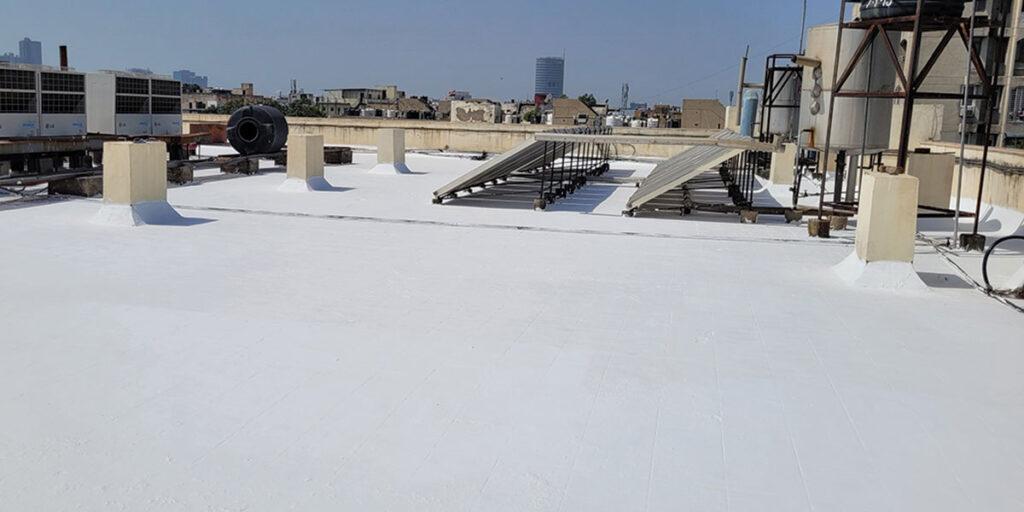
Options like UV-reflective paints, white roof coatings, reflective materials, and window films have emerged in this context. Their objective is to reflect solar energy back before it enters a building, keeping roof and wall temperatures low and making indoor environments relatively cooler. However, the most important concept in this direction is Daytime Radiative Cooling, which many scientists also call “Space Cooling”.
Daytime Radiative Cooling: A Scientific Breakthrough
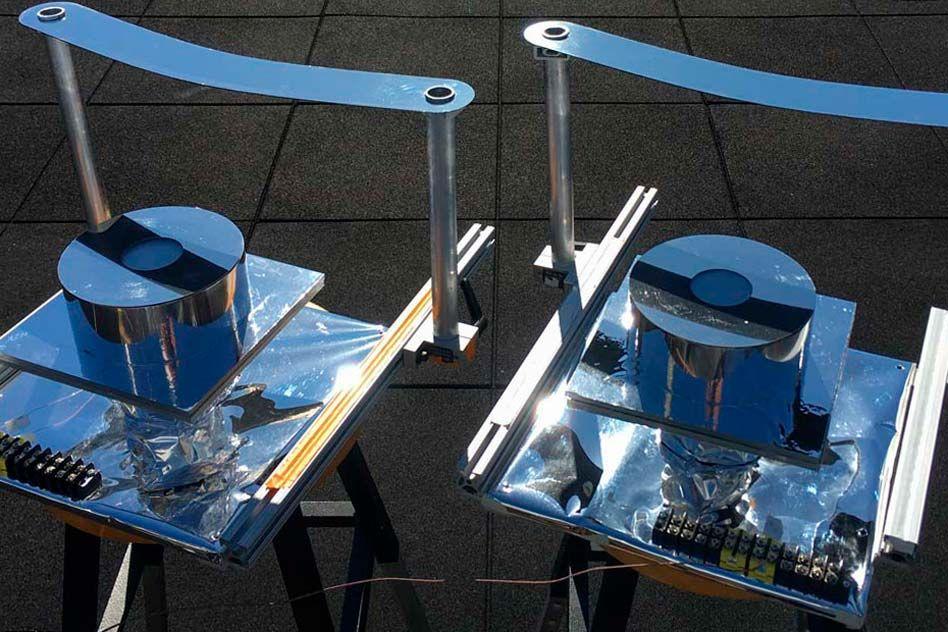
The first successful experimental demonstration of achieving temperatures lower than the ambient environment during the day, despite direct sunlight, was conducted at Stanford University in 2014. This research was led by Professor Shanhui Fan and his team. They developed a special multi-layer photonic structure capable of reflecting about 97% of sunlight. Moreover, this structure could release its heat as infrared radiation in a range that passes through the atmosphere and reaches directly into space. Although the successful demonstration of daytime radiative cooling is recent, its core principle is old. What is new is that modern photonics and material science have brought it out of the lab and closer to practical use.
Hope in India: Experiments and Research at IITs
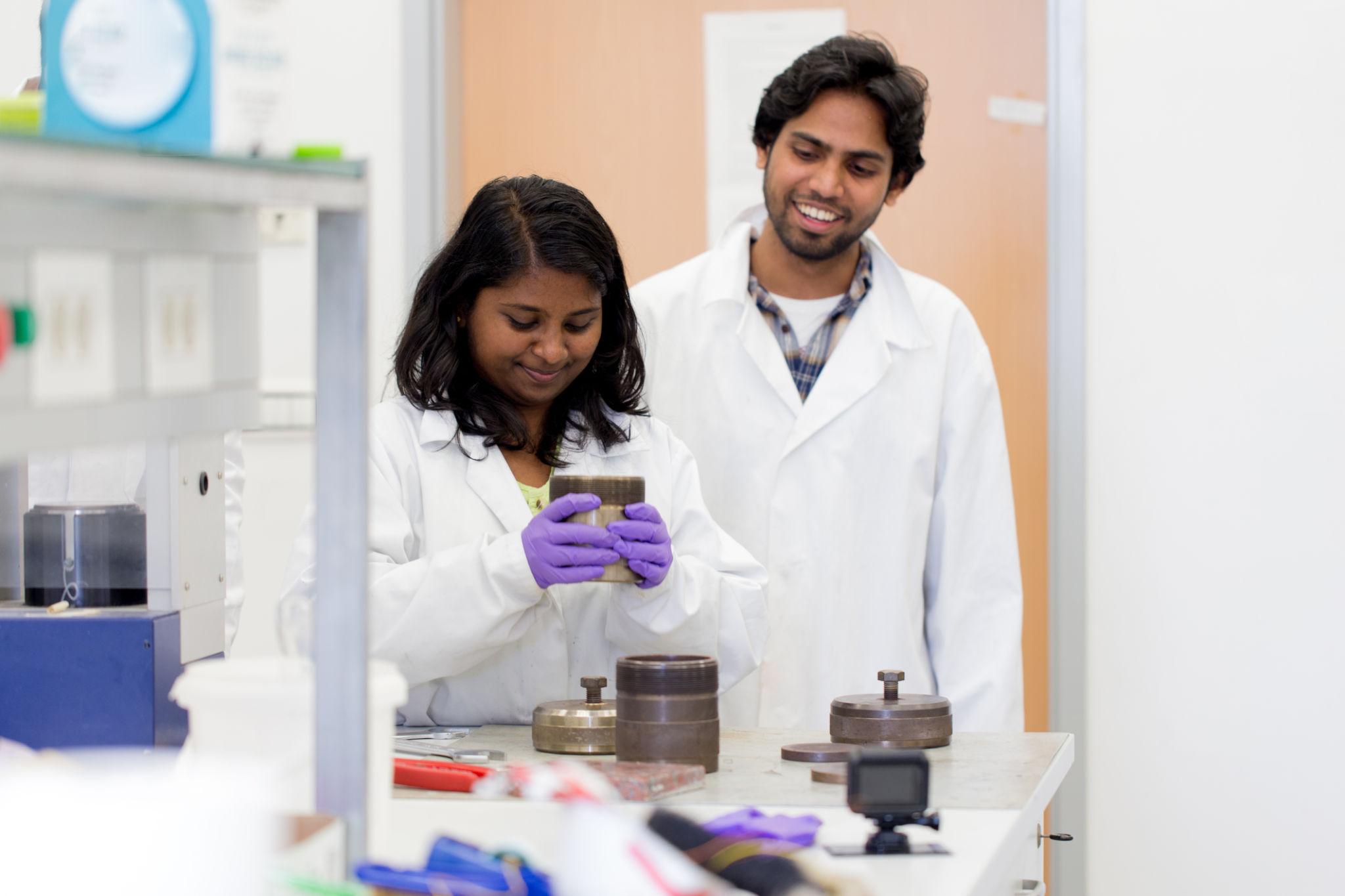
India is also moving rapidly in this direction. Researchers Ashish Kumar Chaudhary and Professor Debabrata Sikdar at IIT Guwahati have developed an affordable radiative cooler coating, which is said to be effective during both day and night. It is also being viewed as a potential alternative to traditional air conditioning.
Similarly, at IIT BHU, Varanasi, work is underway on photonics-based radiative coolers under the leadership of Dr. Jahar Sarkar. This project aims to develop advanced nano-layer materials that can maximize sunlight reflection and send surface heat directly toward space. Scientists have also prepared a detailed map of radiative sky cooling potential across 486 locations in India. It was found that this potential is highest in hot and dry climates like Jaipur. This indicates that the technology could be particularly effective in India’s desert and semi-desert regions.
Conclusion: Learning from Nature for Future Cooling
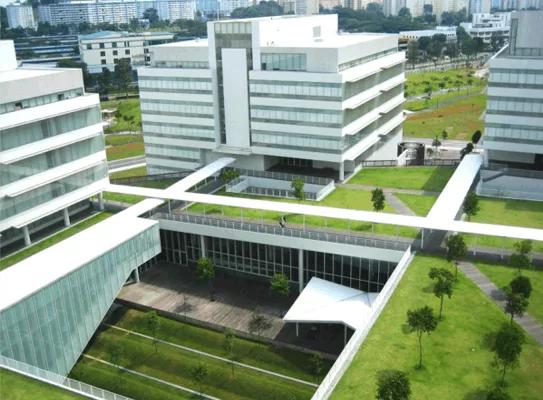
The ozone layer reminds us of the robust systems nature has built to protect life. Meanwhile, modern science is trying to apply that same idea on the ground—where buildings, instead of accumulating heat, can return and expel it. For a country like India, where the heat crisis grows more severe every year, technologies like Daytime Radiative Cooling are not just scientific experiments. They are a possibility for the future that can provide cooling—without further increasing energy demand.